

How to Reduce CNC Part Production Costs Without Losing Quality?
Wondering how to reduce CNC production costs without compromising part precision and durability? The price of a finished component depends not only on the machine's hourly rate, but primarily on the decisions made during the design stage. Thoughtful CNC machining cost optimization—covering geometry, material selection, and manufacturing technology—allows you to noticeably reduce your budget while maintaining full quality.
1. What Affects the Cost of CNC Part Production?
To manage your budget effectively, you need to know what determines the final cost of CNC part production. The quote for every order is based on several key variables:
- Material type and price – affects not only the cost of purchasing the raw stock, but also machining time and difficulty.
- Part complexity – unusual geometry requires advanced multi-axis machines and specialized tooling.
- Machine runtime and number of operations – the longer the cycle and the more changeovers required, the higher the cost; in processes like CNC milling, the price increases proportionally to cutting time.
- Order volume and production setup – CAM programming and machine setup costs are distributed across the number of units produced.
2. Part Design Optimization – The First Step to Savings
DFM (Design for Manufacturing) principles allow you to cut expenses right inside the CAD file.
Avoid Overly Complex Shapes
Deep, narrow pockets and hard-to-reach surfaces force the use of long end mills with low rigidity. To avoid chatter, the machinist must lower cutting parameters, which extends the cycle time. Overly small internal radii have a similar effect—it is best to match them to standard tool diameters. Eliminating unnecessary undercuts and thin walls speeds up spindle operation.
Match Tolerances to Actual Requirements
Overly tight tolerances are a common mistake in technical documentation. Every tightening of the tolerance zone means slower machining, more frequent tool changes, and costly quality inspection. Apply strict requirements only to mating surfaces—read more in our guide on selecting dimensional tolerances.
3. Material Selection and CNC Machining Costs
Cost-effective CNC machining does not always start with choosing the cheapest raw material. Different grades of metals and plastics exhibit varying machinability. For example, machining stainless steel or titanium takes significantly longer and wears out cutting inserts much faster than working with aluminum or free-machining brass.
As a result, a more expensive alloy with better machinability often generates a lower total cost for the finished part. Choosing the right raw stock is equally important—matching the dimensions of a bar or plate to the part's envelope reduces chip volume and shortens roughing time.
4. CNC Batch Production – How Order Volume Affects Price
Batch size directly translates into the cost-effectiveness of an order.
Why Can a Larger Batch Lower the Unit Cost?
Every order requires process planning, CAM programming, tooling preparation, and machine setup. For a single piece, all of these costs are borne by that one part. With CNC batch production, setup expenses are spread across many units, significantly lowering the price per piece. For regular demand, consider ordering a larger batch or scheduling recurring deliveries. Find out how to plan the transition from prototype to serial production.

5. Reducing the Number of Operations and Proper Production Planning
Even a great design can be expensive to manufacture if the process is inefficient. Key areas for optimization include:
- Reducing the number of setups – every time a part is repositioned, it extends the cycle and increases the risk of datum errors; design for the minimum number of machined sides.
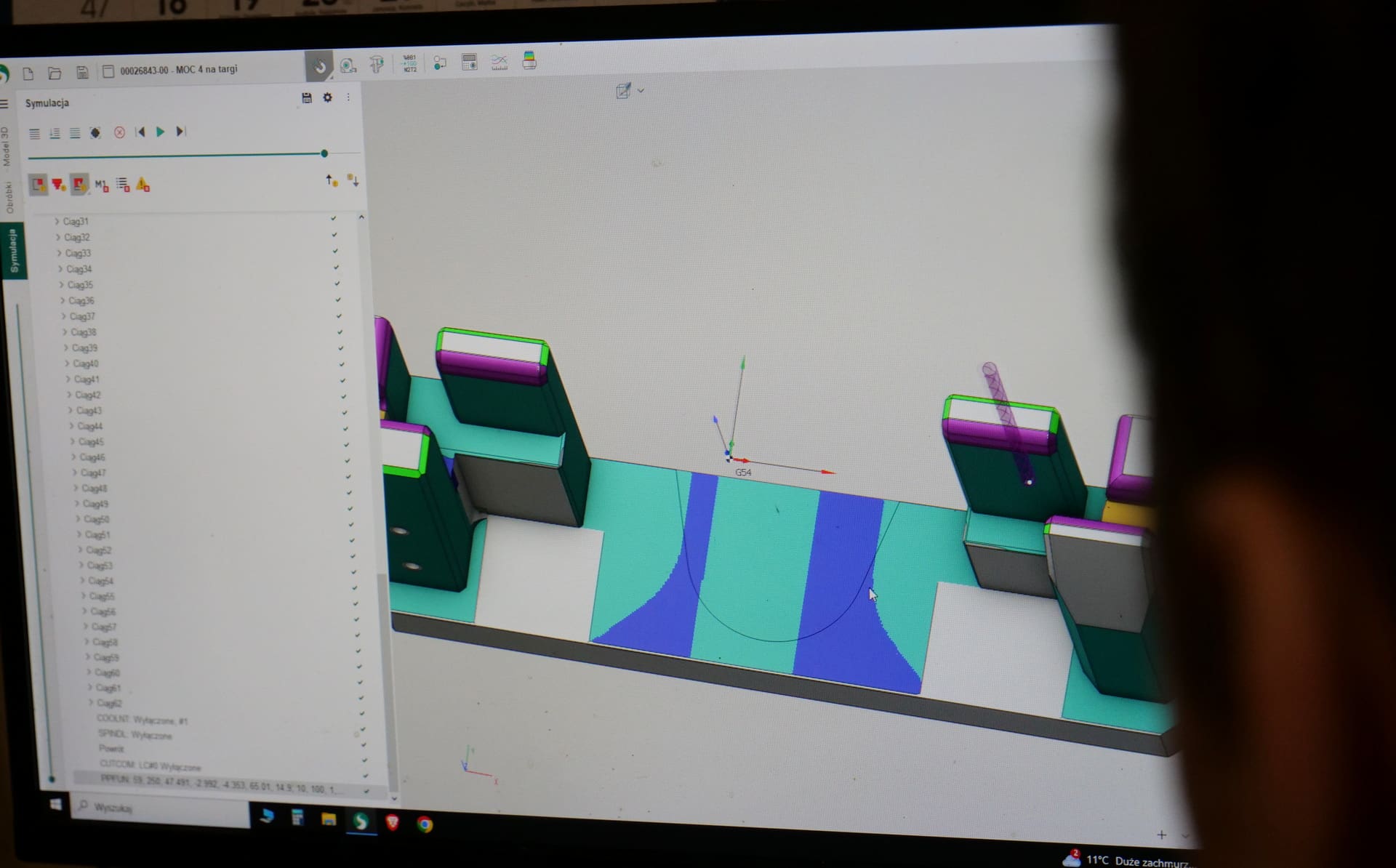
- Proper tooling and CAM strategies – modern toolpaths (such as trochoidal milling) shorten cutting times.
- Eliminating unnecessary finishing – skipping excessive deburring, polishing, or coatings where the part's function does not require them.
- Partnering with an experienced machine shop – a manufacturing engineer will point out potential savings right at the quoting stage.
6. How to Cut CNC Costs Without Compromising Quality? Summary
Effective CNC machining cost optimization is not about lowering manufacturing standards, but about eliminating unnecessary complexity. Smart design, the right material choice, reasonable tolerances, and a well-planned batch are the pillars of economical production. To avoid misunderstandings right from the start, check out our article on preparing a project for a CNC quote.
Planning a new order? Send your technical documentation to DWJ—our specialists will review your design for manufacturability and help optimize costs without sacrificing quality.